
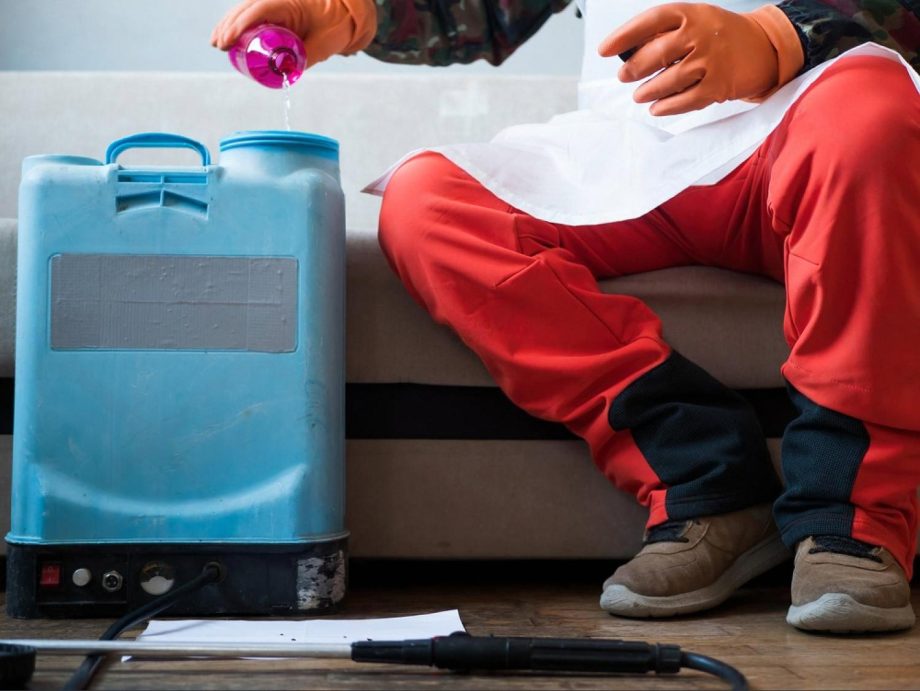
Pests turn up in every country, and Dubai is no exception. The warm climate, dense buildings and constant construction give cockroaches, ants, bedbugs, rodents and mosquitoes plenty of opportunity to move in. The question most residents ask is not whether to treat, but how often. The table below sets out a realistic schedule for different types of property in the UAE.
Recommended Pest Control Frequency in Dubai
| Property type | Preventive treatment | If pests are already present |
|---|---|---|
| Studio or 1-bedroom apartment | Every 6 months | 2 visits, 2 to 3 weeks apart, then quarterly |
| Family apartment (2-4 bedrooms) | Every 4 to 6 months | 2 to 3 visits, 2 weeks apart, then quarterly |
| Villa with garden | Every 3 months | Monthly until clear, then quarterly |
| Villa with pool, majlis and outbuildings | Every 2 to 3 months | Monthly, with separate outdoor treatment |
| Restaurant, cafe or food business | Monthly (mandatory in Dubai) | Weekly follow-ups until certified clear |
| Office or retail unit | Every 3 months | Fortnightly until clear |
| Warehouse or labour accommodation | Monthly | Weekly until clear |
These intervals assume a general treatment against crawling insects and rodents. Targeted problems such as bedbugs, termites or a wasp nest need their own protocol, usually a two or three visit course spaced 10 to 14 days apart so the second round catches newly hatched insects.
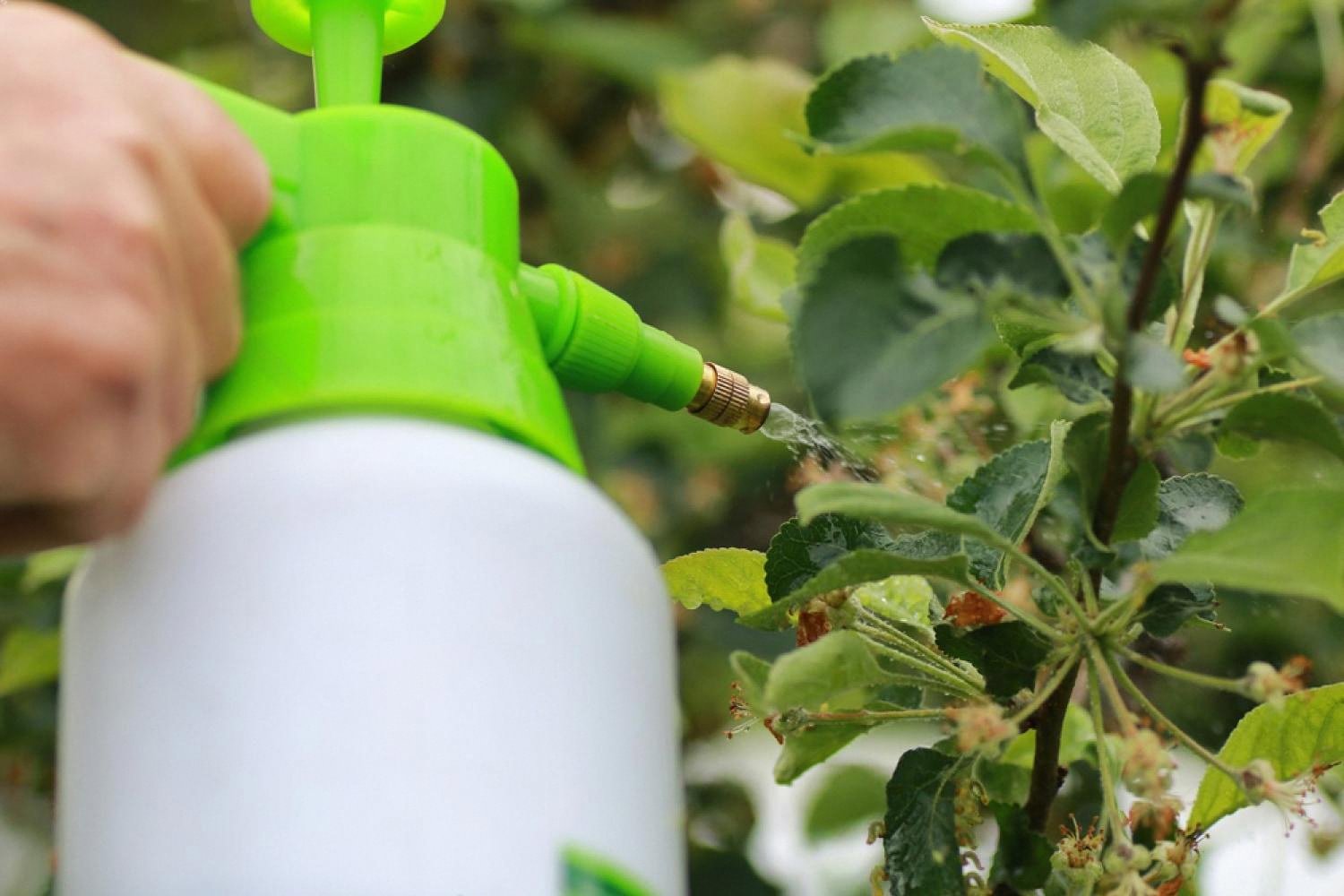
Why Villas in Dubai Need More Frequent Treatment
A villa is a much bigger target than an apartment. Garden soil, irrigation lines, palm trees, boundary walls and outdoor kitchens all give pests places to nest before they ever reach your front door. Ants and cockroaches follow moisture and food waste, geckos follow the ants, and rodents follow the rubbish bins. Add the humidity of a coastal Emirate like Dubai or Abu Dhabi and populations rebuild quickly between treatments.
For that reason, most professionals suggest a quarterly perimeter and interior treatment for villas, with an extra visit in late spring when insect activity spikes. Communities near green corridors, farms or Al Awir, Al Barari, Nad Al Sheba and parts of Jumeirah tend to see stronger seasonal pressure. If you have a pool or a shaded garden, mosquito fogging in the cooler months (roughly October to April) is worth adding, since Aedes mosquitoes breed in tiny pockets of standing water.
- Treat the garden perimeter, not just indoor rooms
- Inspect drains, garage, storage rooms and maid’s quarters
- Fog for mosquitoes before outdoor entertaining season
- Bait rodents at the boundary wall, not inside the house
Apartments and Signs You Should Book Sooner
Apartments in high-rises are usually safer, but shared risers, garbage chutes and neighbouring units mean pests can arrive without warning. A twice-yearly preventive treatment is generally enough for a well-kept flat. The moment you spot any of the signs below, do not wait for the next scheduled visit, book a targeted pest control service in Dubai and treat the problem while the population is still small.
- Live cockroaches during the day. Daytime sightings usually mean the colony is already crowded.
- Trails of ants around the kitchen sink, dishwasher or balcony door.
- Small dark spots on mattress seams or headboards, a classic bedbug signal.
- Droppings in kitchen cupboards or behind appliances.
- An unexplained musty or oily smell in a cupboard, often the first hint of German cockroaches.
Dubai Municipality requires pest control operators to be licensed and to use approved products, and the Ministry of Climate Change and Environment publishes the list of permitted active ingredients. A reputable company will happily share their licence number and the safety data sheet for anything they spray in your home.

Our recommendation
For most Dubai residents, book preventive pest control every 6 months in an apartment and every 3 months in a villa. Add a targeted course of 2 to 3 visits, 2 weeks apart, whenever you see an active infestation. Always use a licensed operator with hypoallergenic, low-odour products so that children, pets and asthmatic family members can return to the treated rooms safely.
What a Proper Visit Should Include
Inspection
A walk-through of kitchens, bathrooms, storage, balconies and outdoor areas to identify entry points and active species before anything is sprayed.
Targeted treatment
Gel baits for cockroaches, residual spray in cracks and hinges, dust in wall voids, and rodent bait stations outside rather than in living areas.
Follow-up
A written report, a re-visit date, and clear instructions on ventilation, cleaning and when it is safe to bring pets back into the treated zone.
Frequently asked questions
Is pest control safe for children and pets in Dubai homes?
Yes, provided the operator is licensed by Dubai Municipality and uses water-based, low-odour formulations. Most modern products are hypoallergenic and dry within 2 to 4 hours.
Keep children and pets out of treated rooms until surfaces are fully dry, then ventilate for 30 minutes before normal use. Fish tanks should be covered and their air pumps switched off during spraying.
How long does a standard pest control treatment last?
A general residual treatment stays active for roughly 8 to 12 weeks against crawling insects, which is why quarterly service works well for villas. In apartments with less outdoor exposure, protection often lasts up to 6 months.
Termite barriers and bait systems last much longer, typically 12 months to 5 years, depending on the product used.
Do I need to leave the house during pest control in Dubai?
For a routine spray and gel treatment, no. You can stay in another room while the technician works, and use the treated rooms again once surfaces are dry.
Fogging, fumigation or heavy bedbug treatments do require the property to be vacated for 4 to 6 hours. The company will tell you in advance which category your job falls into.
Why not just use supermarket sprays instead of hiring a service?
Over-the-counter sprays kill the insects you see, but rarely reach the nest. Cockroaches and ants often become resistant to household products, and misuse can push a colony to spread rather than shrink.
A licensed technician identifies the species, chooses the right active ingredient, and places it where the pests actually live. That usually solves the problem in one or two visits instead of dragging on for months.
How often should a Dubai villa have anti-termite treatment?
Post-construction anti-termite treatment in the UAE typically carries a 5-year warranty. During that period, an annual inspection is enough for most villas.
Older properties, or homes with previous termite activity, should be re-treated every 3 to 5 years and inspected yearly, especially around wooden door frames, skirting boards and any timber structures in the garden.
When is the worst season for pests in the UAE?
Insect activity peaks in the humid months from May to September, when cockroaches, ants and mosquitoes breed fastest. Rodents move indoors more often in the cooler months from November to February, looking for shelter.
Booking a preventive treatment just before each of these transitions, roughly in April and October, keeps populations from ever getting established.
Can pest control be done in one visit, or do I need a course?
Preventive service is a single visit. A live infestation usually needs 2 or 3 visits spaced 10 to 14 days apart, so the second treatment kills insects that hatched from eggs the first spray did not affect.
Bedbugs almost always need at least two visits. Anyone promising a one-visit bedbug cure should be treated with caution.